

What we can learn from refugees and those surviving in war zones
Where does hope come from? …when you’ve lost so much and so many doors seem closed? …when you cannot imagine a bright future? …when opportunities that others have are not available to you? …when there are few signs that your circumstances are going to change for the better?
For some, there are no answers to these questions. No hope whatsoever. But for others, hope not only springs eternal, it’s real and substantial. Such hope enables them to survive unimaginable conditions and provides meaning and purpose for their daily lives.
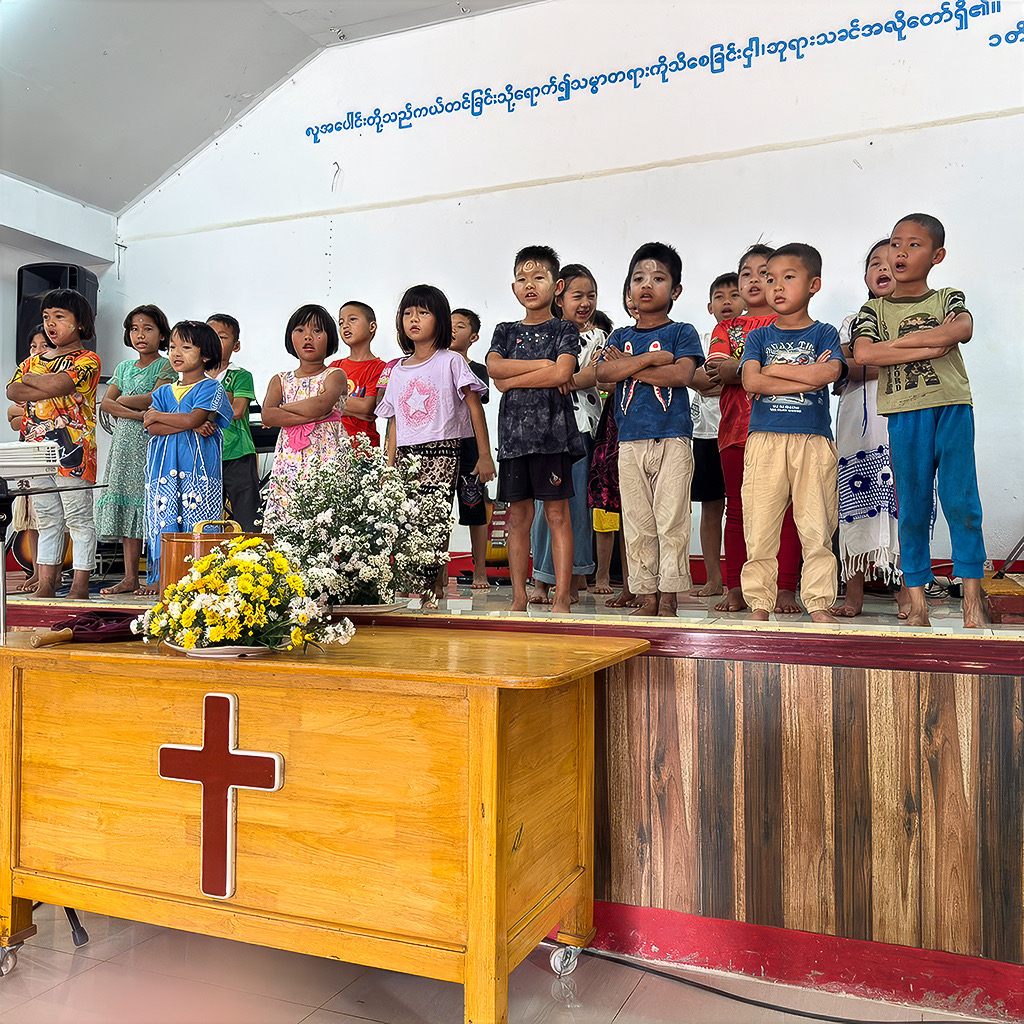
I see it among the Karen refugees I serve along the Thai-Myanmar border, the Burmese immigrants I teach in the USA, and the seminary students studying with me inside of Myanmar and the Congo. It’s a faith-based hope, which not only sustains the victims of injustice and oppression, but also motivates countless numbers of pastors, missionaries, and humanitarian workers I know to do the good work they are doing on behalf of those in need.
This kind of hope is so much more than wishful thinking and dreaming. Such faith in Christ gives them a solid place to stand, despite the severity of their circumstances and the bleakness of the future. Their hope not only enables them to keep from being crushed by their circumstances, but also empowers them to pick up the pieces and keep moving forward as best they can.
How does this work in practice? In my experience and observation:
- Hope comes through faith—by believing God is present and at work to accomplish his good purposes within and through us.
- Hope comes from taking action—by choosing to continue to live, making each day count, demonstrating that we are not powerless or without options, and proving that our life has meaning and purpose by doing what we can, not by bemoaning what we can’t.
- Above all, this kind of hope comes through love—by receiving God’s love, forgiveness, and tender mercies through a personal, intimate relationship with Christ, and by actively participating in the sacred love flow by demonstrating justice, kindness, compassion, and generosity to whomever we can.
For the Apostle Paul, his faith and relationship with Christ enabled him to cope with all manners of suffering and hardship. No matter what his circumstances—good or bad, easy or hard, delightful or disappointing—he had learned the secret to accepting what he could not change and to be genuinely content no matter what his situation might be. His explanation was simply that he could “do all things through the One who strengthens him” (Philippians 4:13). Then, from this place of inner peace, he could shift his attention away from his difficulties to focus on Christ and the Gospel mission. His whole perspective on life changed for the better. Instead of being consumed with his own losses and limitations, or dwelling on his suffering and fears, he became Christ-centered, and his life filled with meaning and purpose (Phil 1:12-21).
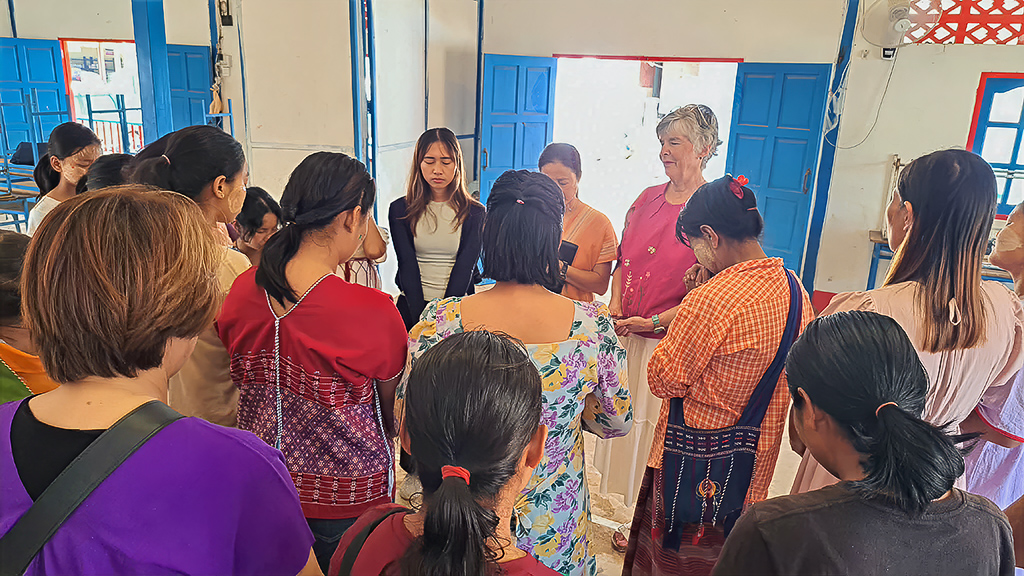
Sometimes, however, my faith isn’t up to the task. I can easily feel overwhelmed by the immense challenges facing refugees and IDPs, the lack of resources and opportunities for my students, the absence of passports and valid visas trapping them in no-man’s land, and the unhealed trauma so many are carrying, often secretly. Yet, as I witness their faith, their choosing to live, their determination to do whatever they can, the love they have for one another and their generosity to those in need around them, my hope is restored once again.
The lessons are clear. We may not always know what to realistically hope for, but we should never think our lives or the lives of others are hopeless. We must hold on to our faith, keep taking action where possible, and practice loving others as a daily priority and way of life. And as we do, we will know a peace that surpasses understanding, joy that warms and delights our hearts, and a hope that no one can take from us.
And so my prayer for you comes from Paul’s blessing on the Roman Christians: “May the God of hope fill you with all joy and peace in believing, so that you may abound in hope by the power of the Holy Spirit.” (Rom. 15:13, NRSV)
With the love of Jesus,
Dr. Tim


 spirit-ledleader.com
Leave a comment